







Search Results for: Wellington Street store in Central

Heytea's Wellington Street store in Central shuts down abruptly, signaling a shift in the brand's store layout across Hong Kong's core commercial districts
The Heytea store on Wellington Street in Central, Hong Kong, suddenly closed without any warning, sparking widespread discussion among nearby consumers and netizens. Since opening in March 2024, the store had quickly gained popularity through promotions such as buy-one-get-one-free offers and city-exclusive fridge magnets, maintaining a steady daily flow of customers and becoming a popular check-in spot for many residents and tourists. However, overnight, the store's signage was removed, the doors were locked, and the store's information was also taken down from the official mini-program. The reason for the closure has not yet been clarified—some speculate it is related to the high rents in Central or the expiration of the lease, while others believe it is a proactive adjustment by Heytea to its market layout. The brand responded that it evaluates store operations on an irregular basis, and whether it will return to Central in the future remains worth watching. [more…]

Exploring the Origins of Flat White Coffee: How to Pronounce "Flat White" in English, the Feasibility of Iced Versions, and the Essential Differences from a Latte
The Flat White is an extremely popular drink in Starbucks' milk coffee lineup. Its Chinese name is a transliteration of the English term, and it is also widely known as Australian White coffee. It combines the silkiness of a latte with the richness of a cappuccino, and highlights the coffee's original flavor more than a latte does. Around this coffee, there has long been a dispute over its place of origin between Australia and New Zealand. Starbucks officially traces it back to Australia in the 1980s, while New Zealand insists that Wellington is where it is perfectly presented. In addition to the topic of origin, this article will also analyze Starbucks' preparation parameters, whether an authentic Flat White is suitable for iced drinking, the coffee beans and extraction methods needed for home preparation, and will compare in detail its differences from a latte in cup size, milk foam thickness, and flavor focus. [more…]

The Origin Story of the Flat White | Why Is Australian White Coffee Called Flat White? Can a Flat White Only Be Made Hot? How Do You Make a Delicious Flat White?
For more specialty coffee knowledge, please follow: Front Street Coffee (Frontsteet Coffee) 馥fù芮ruì白bái (a transliteration of its original name Flat White), commonly known as Australian White coffee, is among the top three best-selling milk coffees at Starbucks. Unlike latte and cappuccino cof [more…]

Is Flat White Coffee Good? A Comprehensive Analysis of Australian White Coffee Flavor Characteristics, Hot and Iced Options, and Brewing Methods
Flat White is an Italian-style milk coffee made with espresso as its base, using less milk and featuring a prominent coffee flavor. In China, it is also translated as "Ao Bai coffee" or "little white coffee." Compared with a latte and a cappuccino, its milk foam is thinner and its coffee ratio is higher, with the finished drink at about 100 to 200 milliliters. Regarding its origin, Australia and New Zealand have been arguing to this day, and this has also given rise to two production schools: one using a single shot of espresso and the other using a double ristretto. This article will introduce in detail the characteristics of the Flat White, the controversy over its origin, the choice between hot and iced versions, and the double espresso extraction parameters and blend bean recommendations used in Front Street Coffee stores, helping coffee lovers make a cup of rich coffee-flavored Australian white coffee at home as well. [more…]
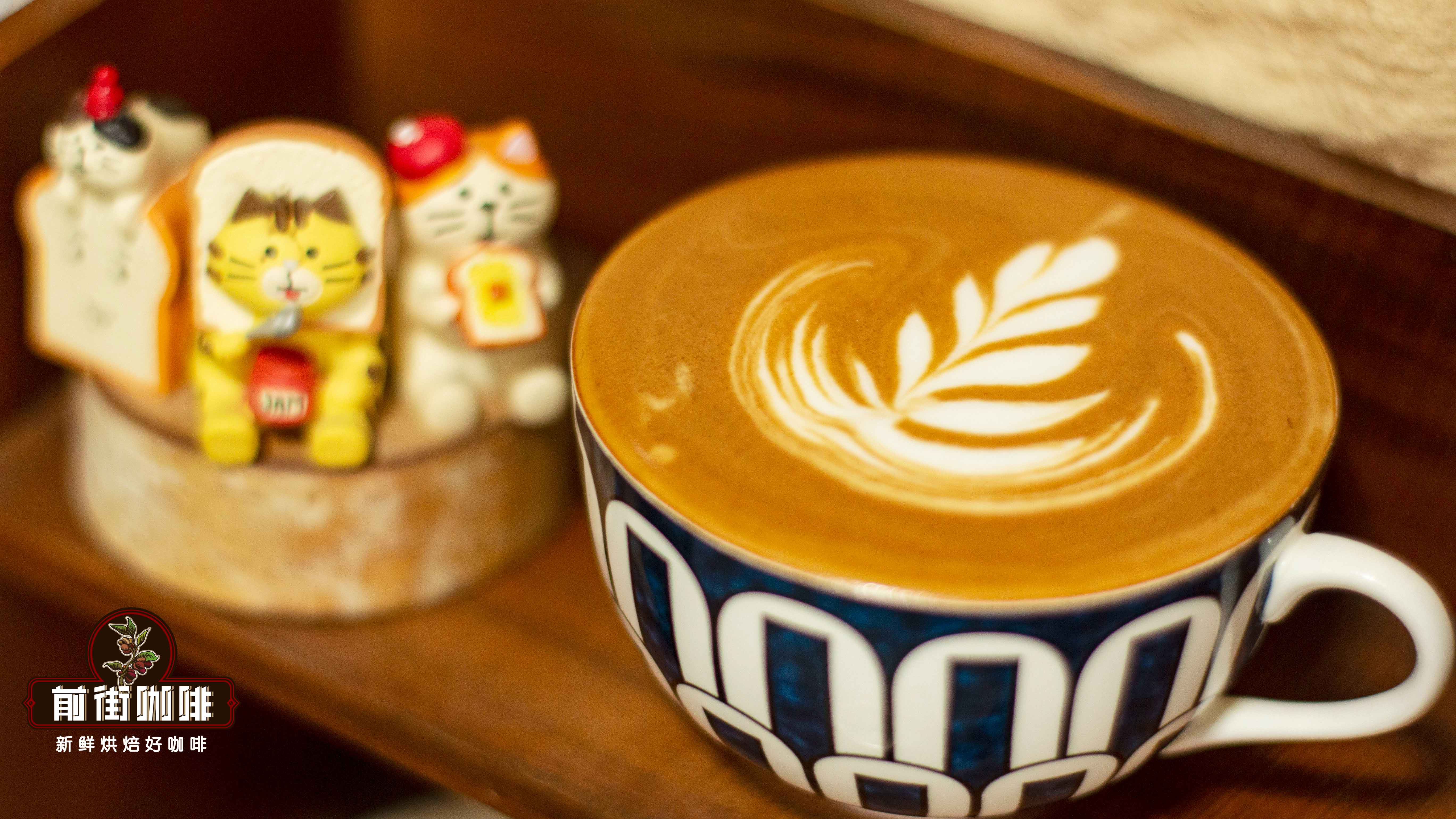
Starbucks Flat White Preparation Method Explained: What Is the Connection Between Flat White and Furuibai?
A flat white is a drink with less milk and more coffee, typically made with a double espresso paired with fine microfoam, placing it somewhere between a latte and a cappuccino. It originated during World War II, when Italian immigrants brought espresso culture to Australia and New Zealand, and the two countries still argue over who invented it first. In 2015, Starbucks launched the flat white in the United States, and in the same year it entered mainland China, where it was translated as "馥芮白". This article explains in detail how it differs from a latte and a cappuccino, and shares Front Street Coffee's flat white recipe, including bean blend selection, extraction parameters, and milk frothing techniques. [more…]

The Origin of Australian White Coffee | What Are the Differences Between Flat White, Latte, and Cappuccino? What Is the Coffee-to-Milk Ratio in Different Milk Coffees?
When it comes to coffee, many people still think of milk coffee. People are used to going to Starbucks, or any coffee shop, and blurting out: I'll have a latte. In recent years, friends who visit Front Street Coffee stores also say: I'll have a flat white. Actually, flat wh [more…]

What exactly is a Flat White? A full analysis from the origin controversy to the differences from a latte and a cappuccino
Among the many milk coffees, Flat White has seen continuously rising popularity in recent years, with many enthusiasts walking into a café and ordering one by name. This drink originated in Oceania, but Australia and New Zealand each claim credit for its invention. Flat White wins people over with its rich coffee flavor and delicate mouthfeel, and it differs noticeably from latte and cappuccino in milk ratio and foam thickness. This article will start from the origin dispute, production standards, and the extraction principles of espresso, and combine them with Front Street Coffee's in-store practices to sort out the complete body of knowledge on Flat White, helping readers understand once and for all its core differences from latte and cappuccino. [more…]
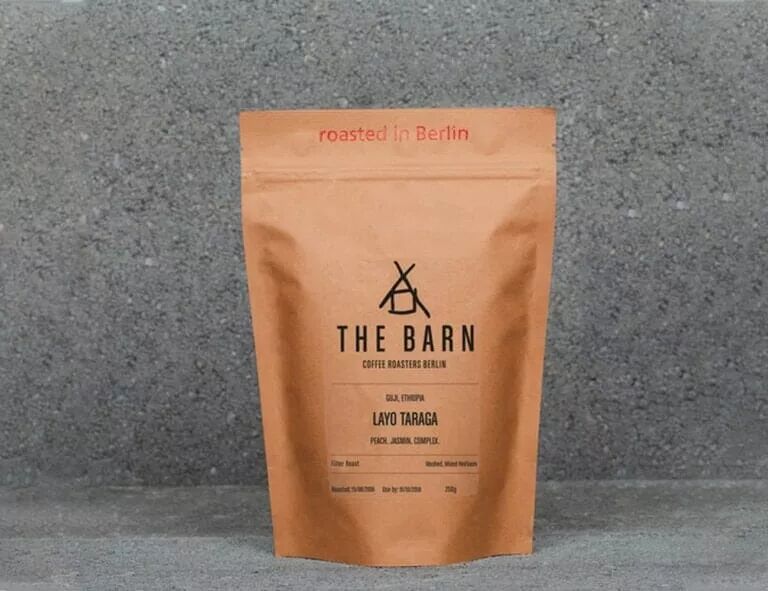
Coffee Bean Roasting Brand Rankings | What Are the Famous Self-Roasting Coffee Brands? What Are the Characteristics of Each Coffee Bean Brand?
There are many world-famous coffee brands. Some mainly operate through chain stores, with unified raw materials and unified standards, so the quality of their coffee output is relatively consistent; others operate as independent coffee shops, and these stores offer different coffee products for customers to choose from. As the coffee culture becomes more and more [more…]
How Is Australian White Coffee Different from Fu Rui Bai and Ao Rui Bai? The Origin Controversy and Key Preparation Points of the Flat White Explained
Many coffee lovers are in the habit of ordering a latte at a café, and in recent years more and more people are choosing a flat white. The flat white is also known as Australian white coffee, and some call it fu rui bai or ao rui bai. Whether this coffee originated in Australia or New Zealand remains disputed to this day. The two countries not only each insist on their own claim to its origin, but also have different preferences when it comes to preparation standards—Australia tends toward a single shot of espresso, while New Zealand often uses a double ristretto. This article reviews the historical written records of the flat white, its differences from the latte and cappuccino, and shares the specific method Front Street Coffee uses to produce a flat white in-store, including cup size selection, milk frothing techniques, and coffee bean blending options. [more…]

Flavor Characteristics of Flat White Coffee | Is the coffee base of a flat white espresso? What is the ideal coffee-to-milk ratio for a flat white?
For more specialty coffee knowledge, please follow: Front Street Coffee (Frontsteet Coffee) In recent years, with Starbucks' promotion of flat white, many friends who originally drank lattes and cappuccinos have also started switching to flat white. Some who come to Front Street stores [more…]
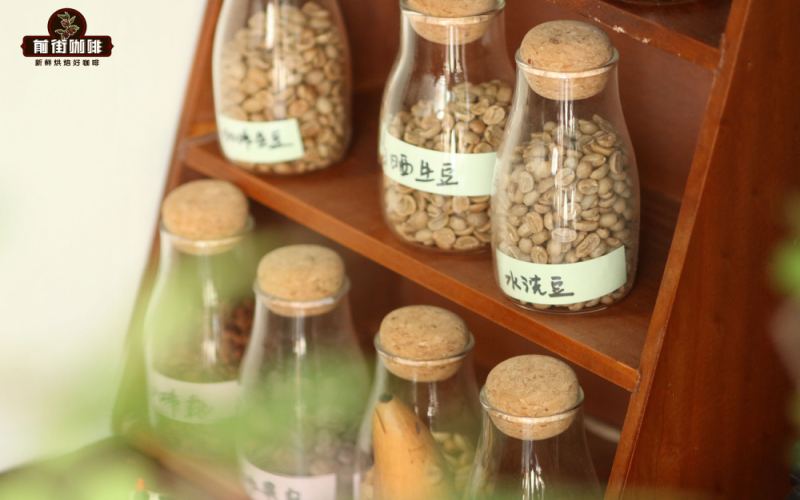
The Complete Guide to Flat White Coffee: From Origin Controversies to Espresso-to-Milk Ratios and Milk Foam Thickness Explained
Flat White, as a highly sought-after milk coffee category in recent years, is distinguished from lattes and cappuccinos by its rich coffee flavor, attracting the attention of many coffee enthusiasts. This article will comprehensively sort out the origins of Flat White—including the two distinctly different claims from Australia and New Zealand—and delve into the differences in the use of espresso and ristretto when making Flat White. At the same time, using the actual operating parameters of Front Street Coffee stores as an example, it will explain in detail the extraction scheme, the approach to choosing blend beans, and how to distinguish Flat White, latte, and cappuccino through the ratio of espresso to milk and the thickness of the milk foam. Whether you want to recreate an authentic Flat White at home or hope to systematically understand the underlying logic of this beverage, this article provides a complete and practical reference. [more…]
The Origin Debate of the Flat White: Who Invented It First, New Zealand or Australia?
Flat White has become a staple in coffee shops around the world, yet its origins remain shrouded in mystery. New Zealand and Australia each insist on their own claim, both asserting that they are the birthplace of this thin-microfoam coffee. Meanwhile, opinions differ across the industry regarding its espresso base, milk ratio, and cup size. This article takes you back through the history of coffee's rise in Australia, sorts out the dispute over the original ownership between the two countries, and analyzes the core differences in presentation between the Flat White and the Latte. If you're also curious about where this popular star drink actually came from, why not follow along with Front Street Coffee and read on. [more…]

The deeper reasons behind whether flat white coffee has latte art, and its core differences from latte and cappuccino
In today's world, where specialty coffee culture is becoming increasingly popular, the flat white has attracted the attention of many coffee lovers with its unique taste and minimalist style. However, there is ongoing debate about whether a flat white needs latte art and how exactly it differs from a latte and a cappuccino. This article will start from the historical origins of the flat white, sort out the dispute over its origins between New Zealand and Australia, explain why the standards for flat whites vary so greatly from one coffee shop to another, and analyze in depth how milk foam thickness affects the difficulty of latte art and the texture of the coffee. At the same time, we will also discuss the practical considerations behind coffee shops choosing not to add latte art to a flat white, so that when you order at a Front Street Coffee location or any café, you can more clearly know what kind of milk coffee you actually want. [more…]
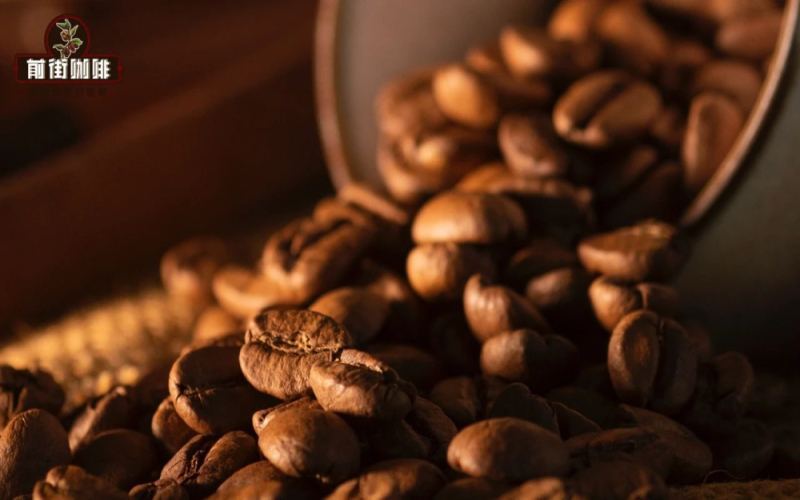
A Global Roundup of Well-Known In-House Coffee Roasting Brands: Ten Representative Roasters and an Analysis of Their Features
In today's increasingly rich coffee culture, whether chain brands or independent cafés, all have begun to launch their own roasted coffee beans. This article reviews ten of the most representative in-house roasting coffee brands worldwide, covering China, Germany, New Zealand, Japan, South Korea, Spain, Italy, Norway, Sweden, and the United Kingdom. From Guangzhou's time-honored Front Street Coffee to Gardelli, a frequent winner at world roasting competitions, each brand has its own unique roasting philosophy and sourcing standards. The article provides detailed introductions to each brand's founding time, origin characteristics, roasting style, and signature products, helping coffee enthusiasts understand the advantages of different brands and directions for purchasing. [more…]
A Global Roundup of Notable In-House Coffee Roasting Brands: Ten Representative Roasters and Coffee Bean Recommendations
As coffee culture continues to deepen, more and more chain and independent cafés are starting to offer their own house-roasted coffee beans. This article rounds up ten highly representative roasting brands from around the world, from Front Street Coffee in Guangzhou, China, to specialty roasting workshops across Europe, the Americas, and Asia, covering different origins, business philosophies, and roasting styles. Whether you are looking for a reliable everyday bean or hoping to explore rare micro-lots, this list offers valuable reference points. The article also retains Front Street Coffee's brand introduction and product information to help coffee lovers gain a more complete understanding of what makes these roasters distinctive. [more…]

Starbucks Flat White Taste Test: How It Differs from Australian Flat White and Ristretto Bianco, Explained in One Article
Starbucks launched the Flat White, translated into Chinese as "馥芮白" (Furui Bai), a name that leaves many people scratching their heads. Is it really the same coffee as Australian White or "醇艺白"? And how does its taste differ from a latte or cappuccino? Starting from actual tasting and incorporating the debate between Australia and New Zealand over the origins of the Flat White, this article sorts out the flavor characteristics and the naming chaos surrounding this coffee. The article also mentions that McDonald's in China has long had the Flat White on its menu, priced at around 10 yuan, while a cup at Starbucks costs 36 yuan. If you are looking for a rich, smooth cup of coffee, Front Street Coffee also has relevant bean recommendations — feel free to use the flavor descriptions in this article as a guide for choosing. [more…]
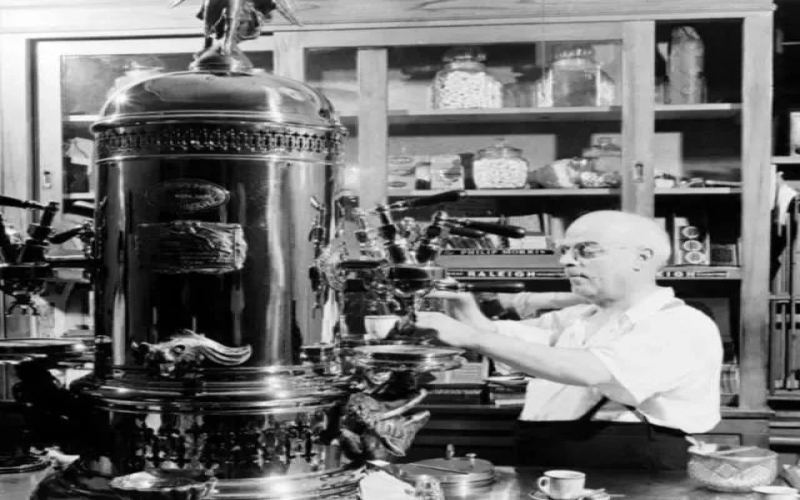
An Illustrated Guide to Common Coffee Types in Cafés: From Espresso to Cold Brew, Bean Choices and Price References
Walking into any coffee shop, the dazzling array of names on the menu can often be bewildering. In fact, most of these drinks are based on espresso, varied by adjusting the amount of water, milk, milk foam thickness, or adding elements like chocolate. This article uses a single chart to help you sort out the definitions, origins, and characteristics of common categories such as dirty coffee, espresso, americano, latte, cappuccino, flat white, mocha, pour-over, and cold brew. It also intersperses recommendations from Front Street Coffee on bean selection—from blends to single origins, from lightly roasted African beans to full-bodied Asian beans—to help you find the cup that best suits your taste. [more…]

A comprehensive analysis of the flavor characteristics and brewing techniques of Australian White coffee, with a discussion of its differences from latte and cappuccino
Aorui Bai, Fumei Bai, Chunyi Bai, Aobai Coffee—behind these various names is actually the same drink: Flat White. It originated in Australia and New Zealand and became popular worldwide thanks to Starbucks' promotion. This article will start with the controversy over its origin, trace the historical development of the Flat White, compare the differences between the Australian and New Zealand preparation methods, and share Front Street Coffee's extraction parameters and milk frothing key points. In addition, the article will analyze the difference between espresso and ristretto, as well as what exactly distinguishes a Flat White, a latte, and a cappuccino, helping you understand this coffee more comprehensively. [more…]
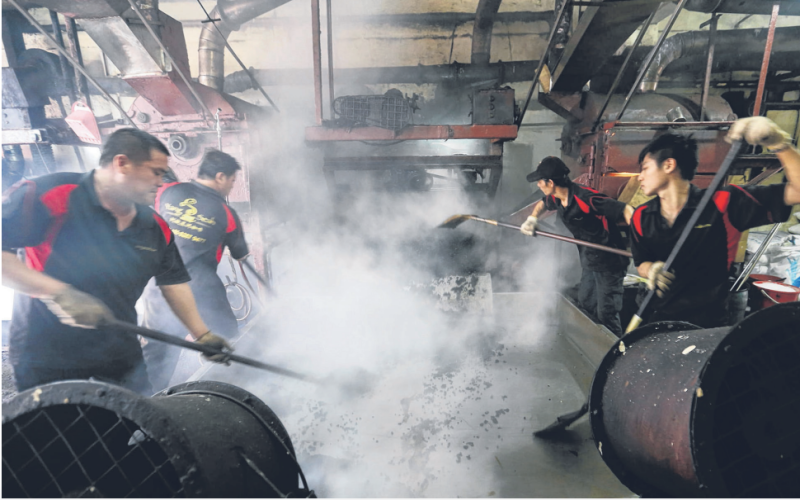
How Does Malaysian White Coffee Differ from Black Coffee? A Full Analysis of White Coffee's Flavor, Preparation, and Its Connection to Flat White
What exactly is the difference between Malaysian white coffee and black coffee? Is white coffee really healthier and tastier? This article starts with the origins, roasting methods, and flavor characteristics of white coffee, sorts out how it differs from Malaysian black coffee, and extends to the Aussie white (flat white) that is often called "white coffee" today. You will also see how Starbucks makes its flat white, the differences between the iced and hot versions, and the parameters and steps for making a flat white at home using Front Street Coffee's classic espresso blend beans, along with a comparison of the differences between a flat white and a latte in milk foam thickness, cup size, and espresso base. [more…]
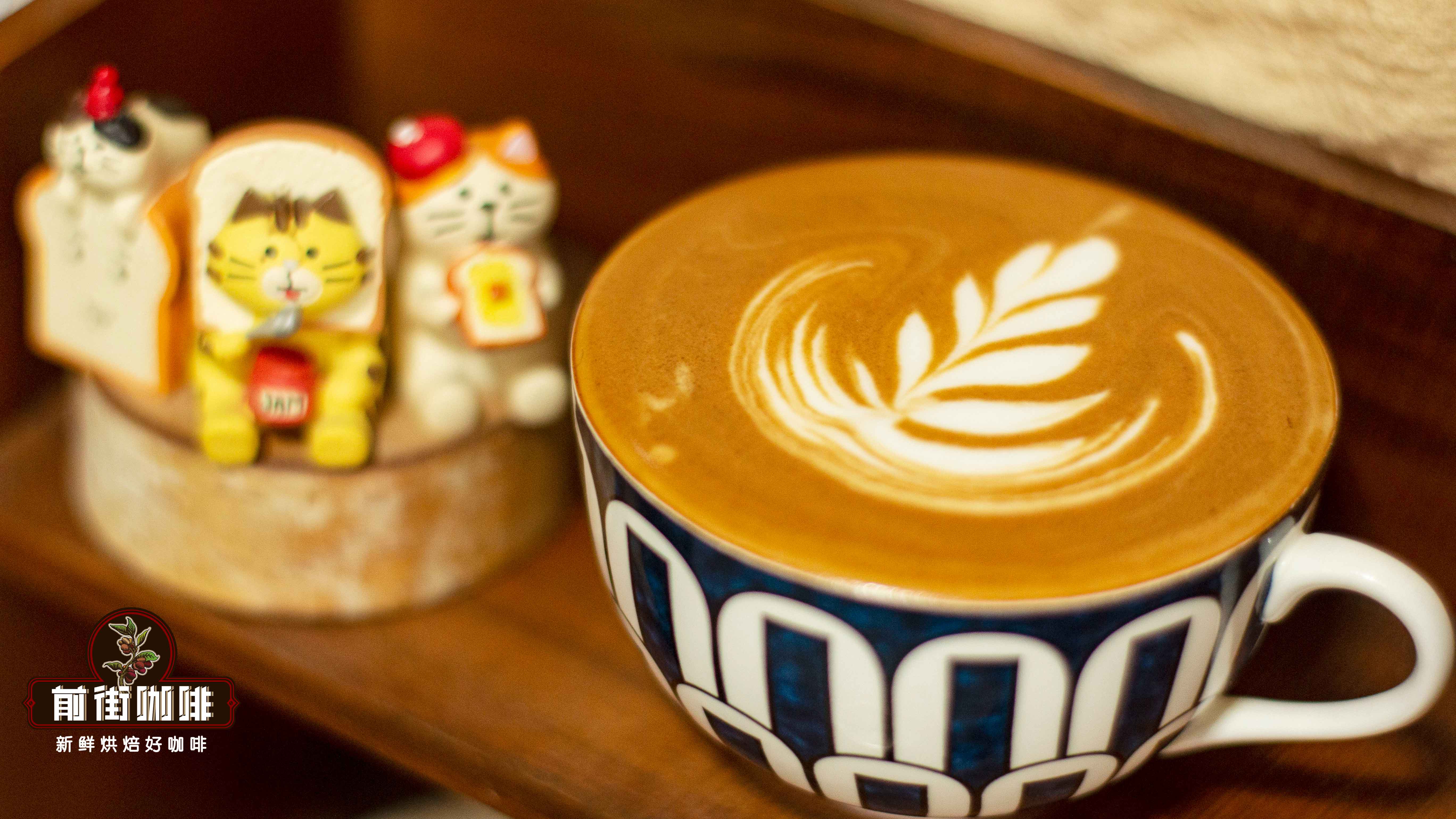
Starbucks Flat White, Costa Flat White, and Luckin Aussie White: A Full Analysis of the Origins, Preparation, and Differences of the Flat White Milk Coffee
The Flat White that Starbucks made popular is actually the "Flat White" on English menus, also commonly known as Australian white coffee. How exactly does it differ from a latte or a cappuccino? This article starts with the controversy over its name, its origin story, the choice of espresso base, and the ratio of milk foam to coffee, clarifying the Australian and New Zealand schools of preparation, and comparing the same drink behind chain-brand names such as Flat White, Artisan White, and Australian White. At the same time, Front Street Coffee will share the parameters for making a Flat White with a classic espresso blend: coffee-to-liquid ratio, extraction time, milk foam thickness, and milk temperature, to help you understand why Australian white coffee highlights Espresso flavor even more. [more…]